Treated Effluent Reuse
Recover water.
Reduce freshwater demand.
Reusing treated municipal and industrial effluent reduces demand for tap water, groundwater and surface water. It turns an existing discharge stream into a useful resource, with particular value in water-scarce regions.
Growing cooling-water demand from AI data centres and power plants strengthens the case for municipal effluent reuse. Within factories, reuse can support applicable water-management requirements and reduce purchased-water costs, subject to the quality needed by each process.
More pretreatment.
More process complexity.
Conventional polymeric ultrafiltration often relies on upstream sand filtration or other pretreatment. Each additional stage increases the equipment footprint, operating work and maintenance demand.
PVDF membrane ageing and potential material release are additional lifecycle considerations.
Ceramic filtration.
A shorter route to reuse.
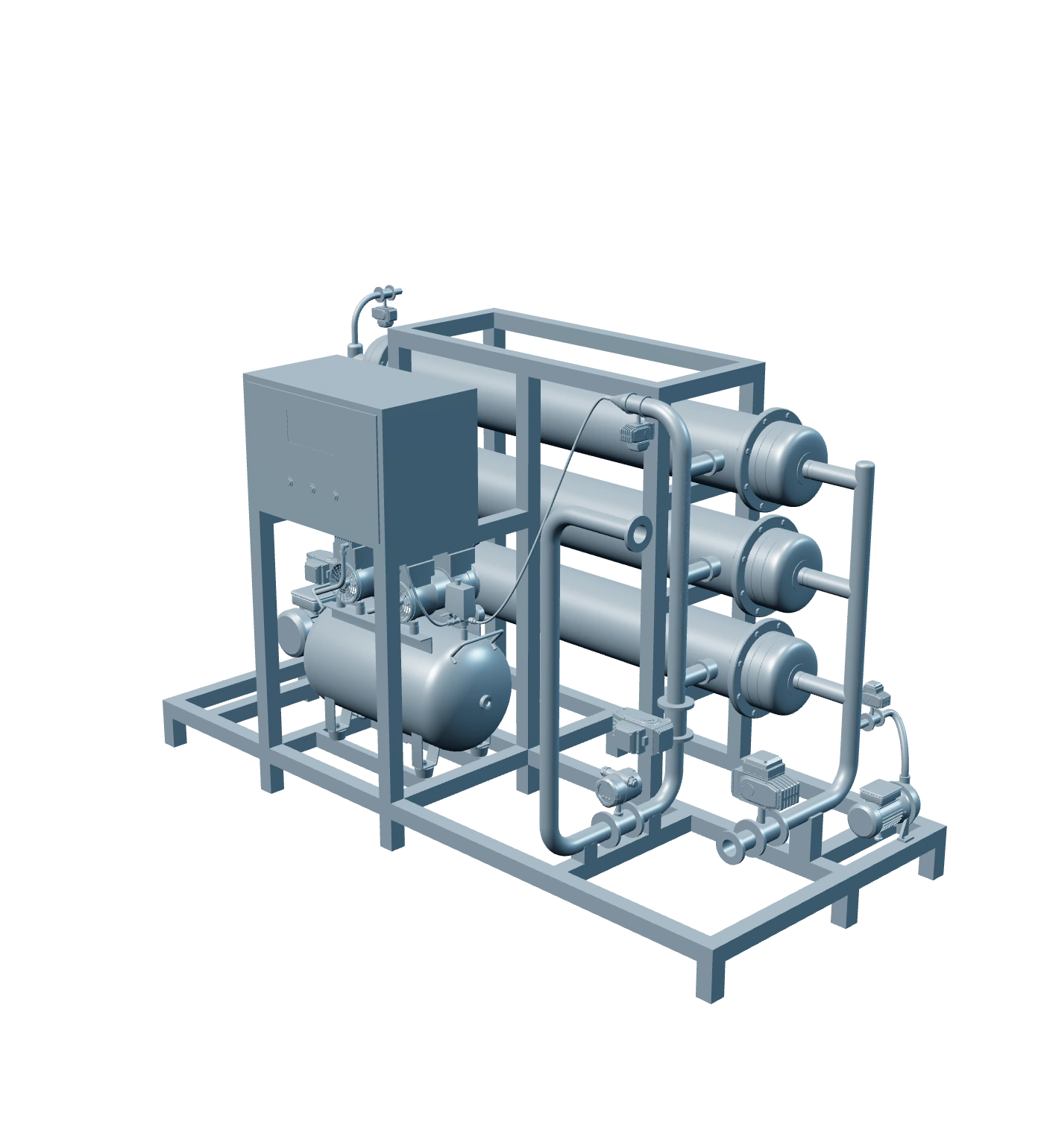
Super Cerafilter uses durable ceramic membranes to deliver filtered-water turbidity below 0.1 NTU. Its long service life and effective cleaning support sustained reuse operation.
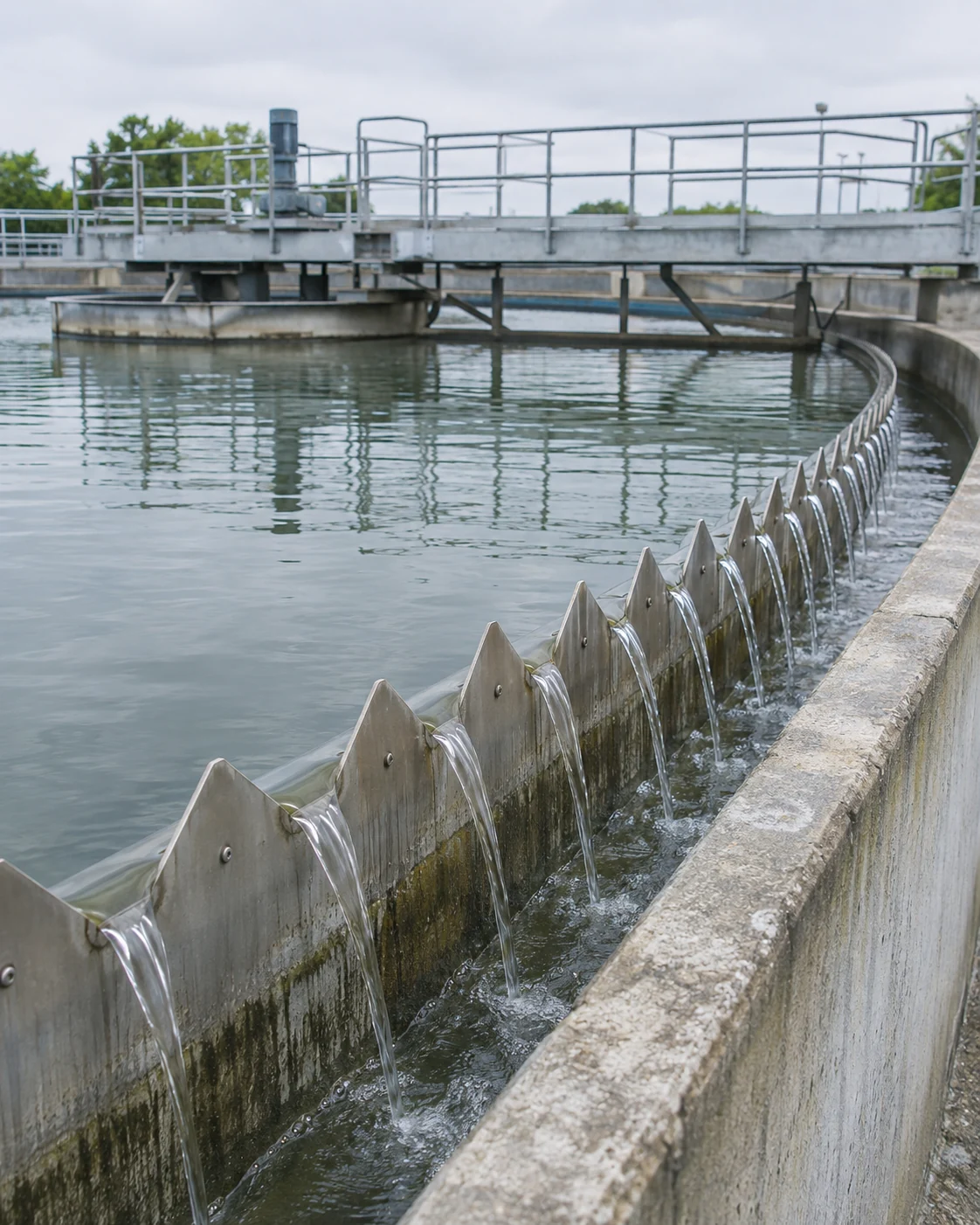
Suitable effluent can feed directly from the treatment plant’s sedimentation-tank outlet into ceramic filtration, reducing intermediate pretreatment stages.